Fuses Existing Sensors. Continues Under Degraded Connectivity. Human Release Authority. Runs on Hardware Already in Place.
Radar and cameras report on separate networks.
Guardal reads them as one picture.
Coordination across distributed systems
Sensors and processing are widely available. Holdfast combines their output into one current picture and keeps it current while the network between them degrades.
Holdfast runs on the sensors an organization already owns. It reaches operators as a software release.
Olympus carries the operator picture. It is available today and its contracts express sensing alone.
Technology
The compute stays with you.
Olympus is compatible with rugged field computers and deployable on the other hardware an organization already carries.
ARCHITECTURE
Browser-based and platform-agnostic. Olympus opens on the field computer an organization already carries.
SENSING
Tracks arrive from air and surface and subsurface carrying their own confidence. Every one of them keeps the sensors that made it.
ENVIRONMENT
Olympus inherits the envelope of the hardware carrying it. A degraded link leaves the last verified picture readable and marks the expired tracks stale.
AUTHORITY
Its contracts express sensing alone and CI checks that on every pull request. Olympus reports and a human acts.
Operating Contexts
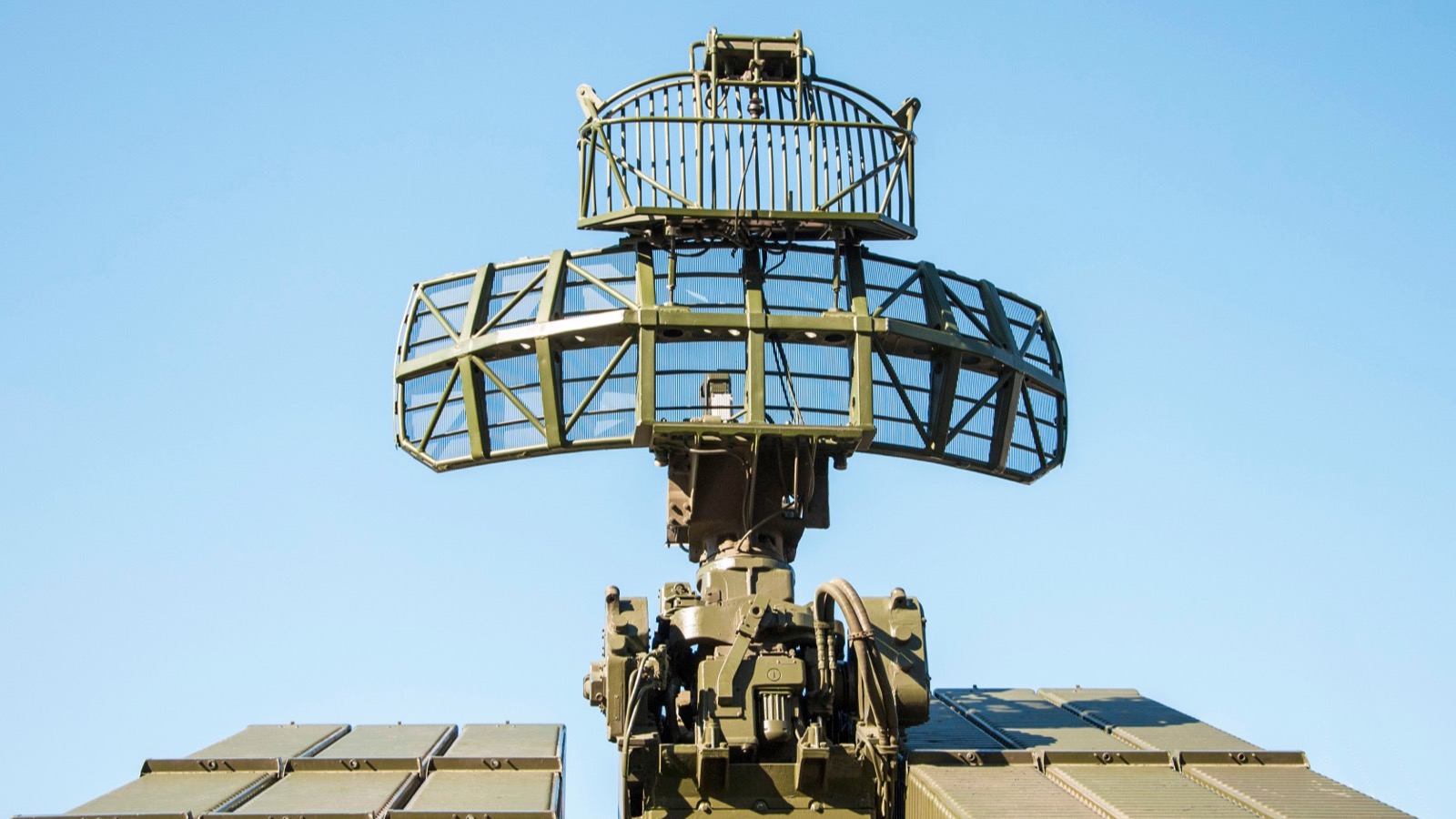
Radar horizon
Ground-based air surveillance array
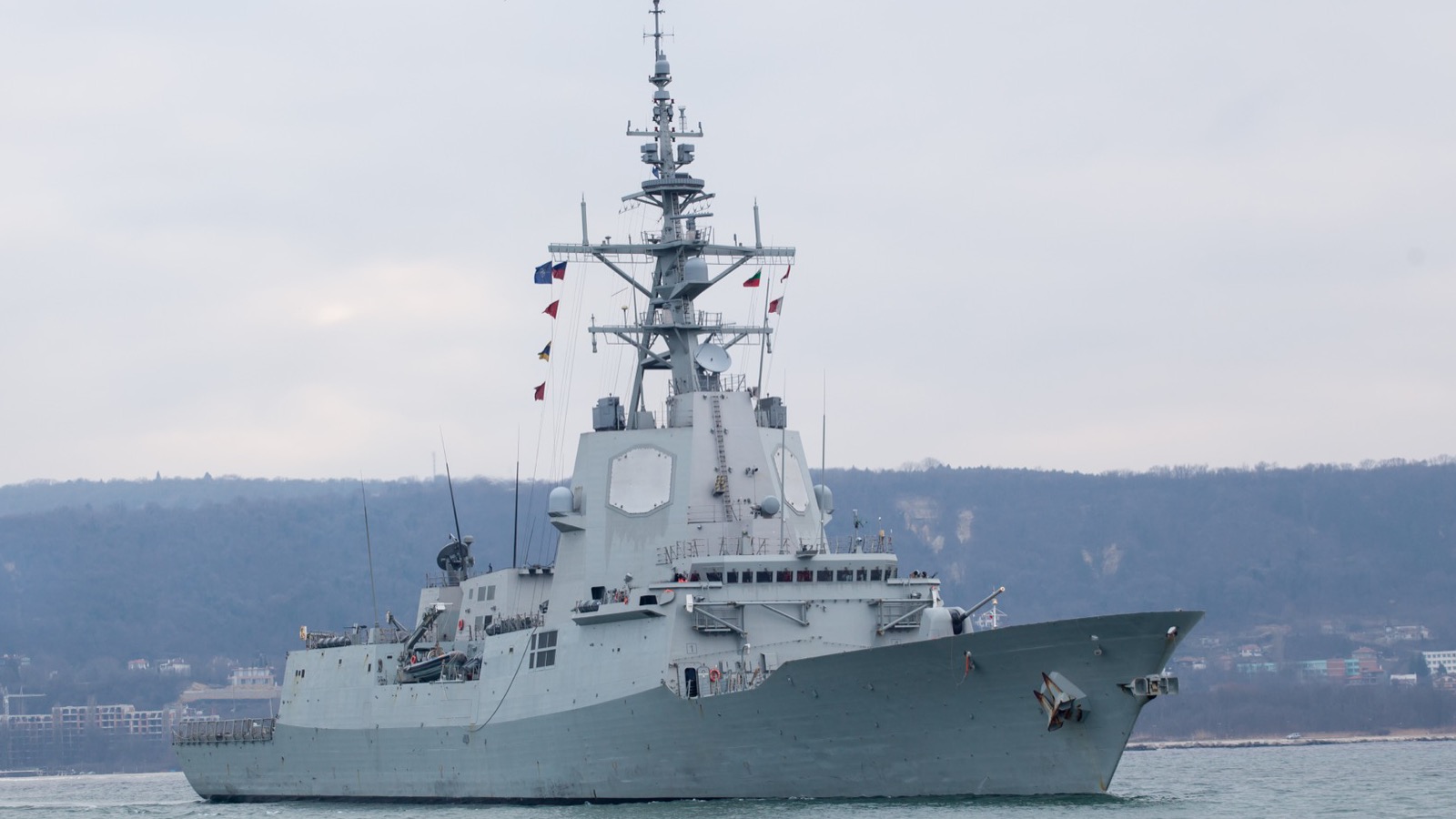
Sensor fit
Frigate mast carrying radar and communications
Mass
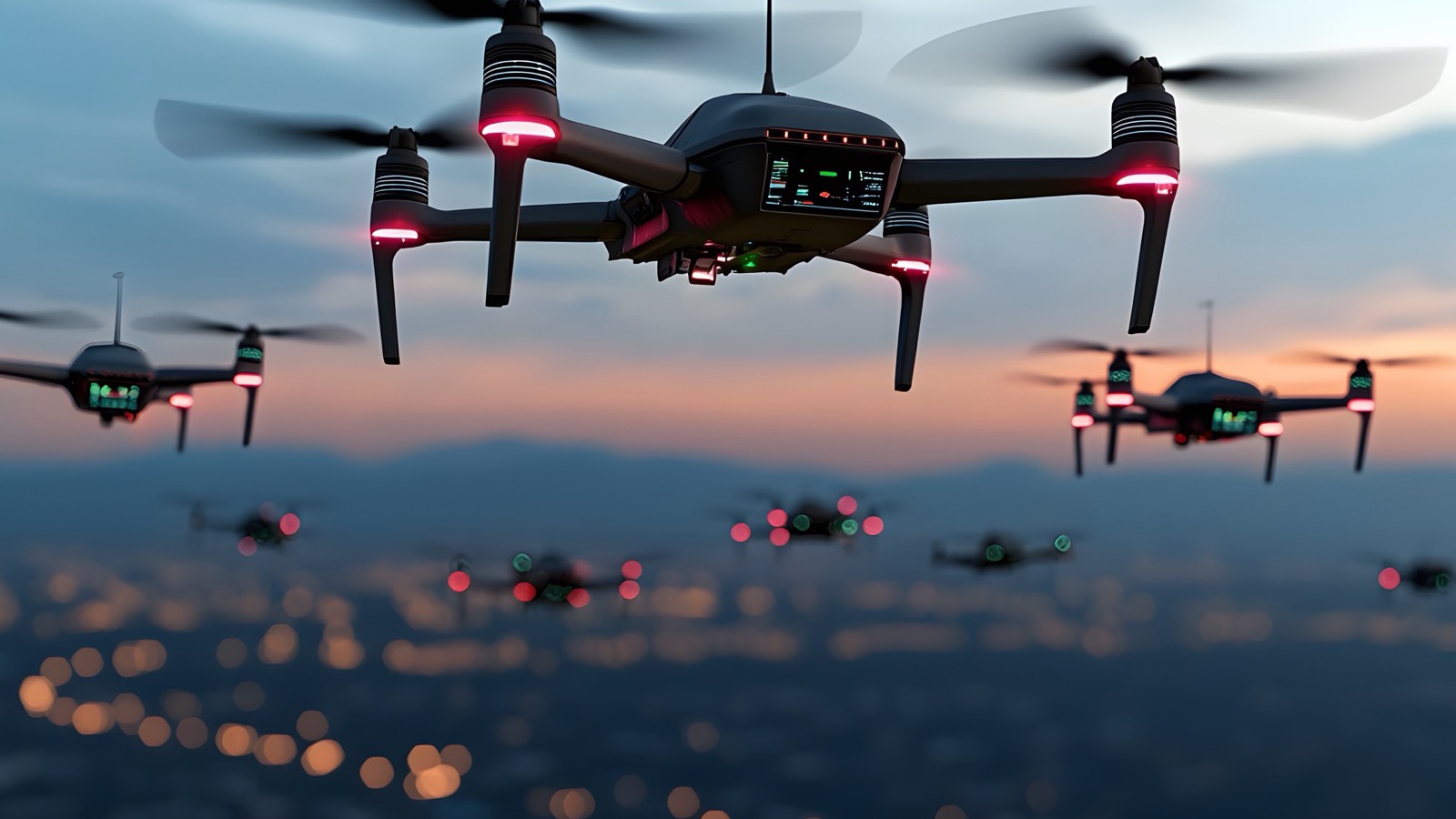
Rotary aircraft in numbers over a populated area
Open ocean
Uncrewed surface vessel on foils in open water
Deck operations
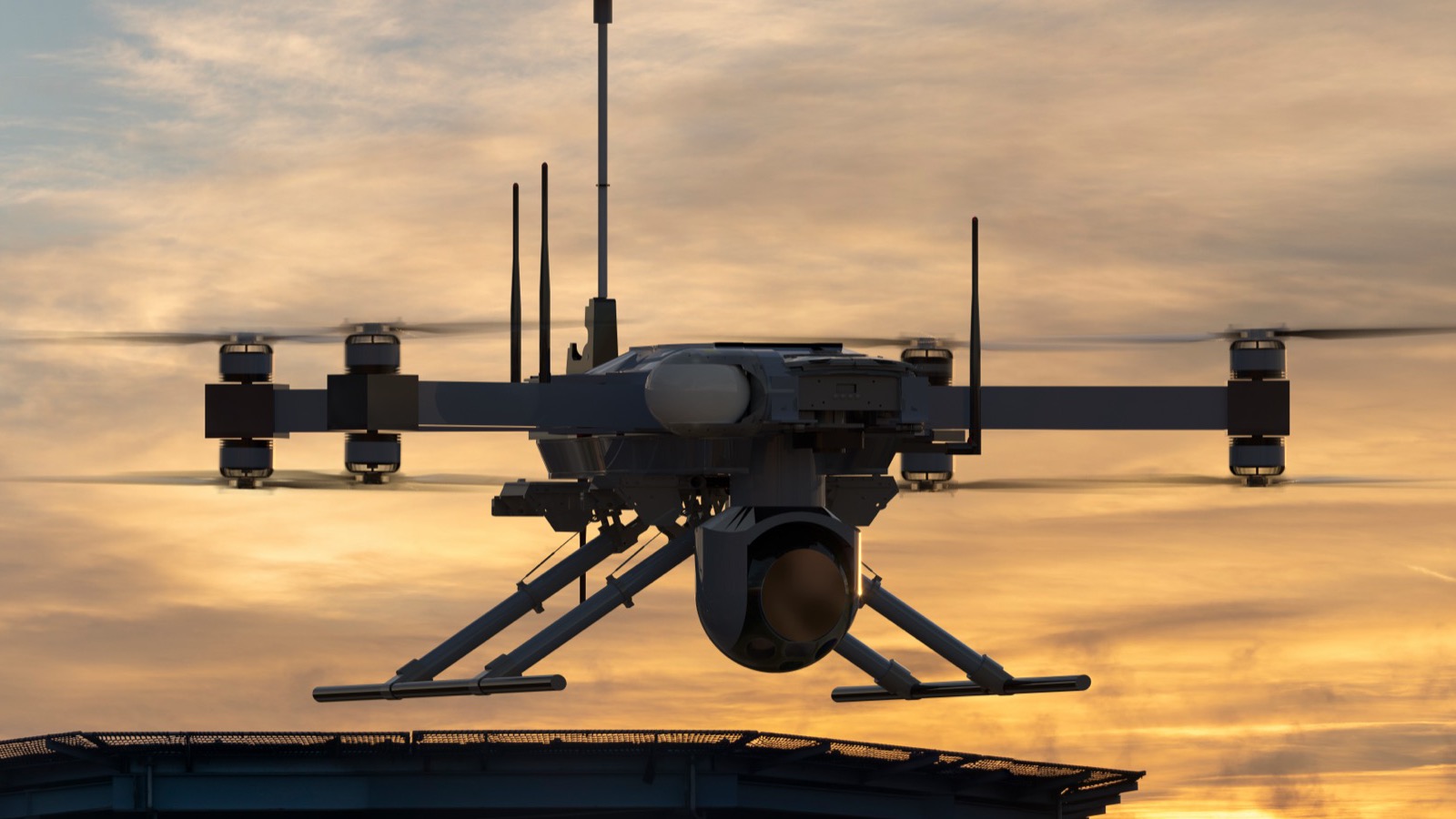
Uncrewed rotorcraft launched from a deck
Crewed air
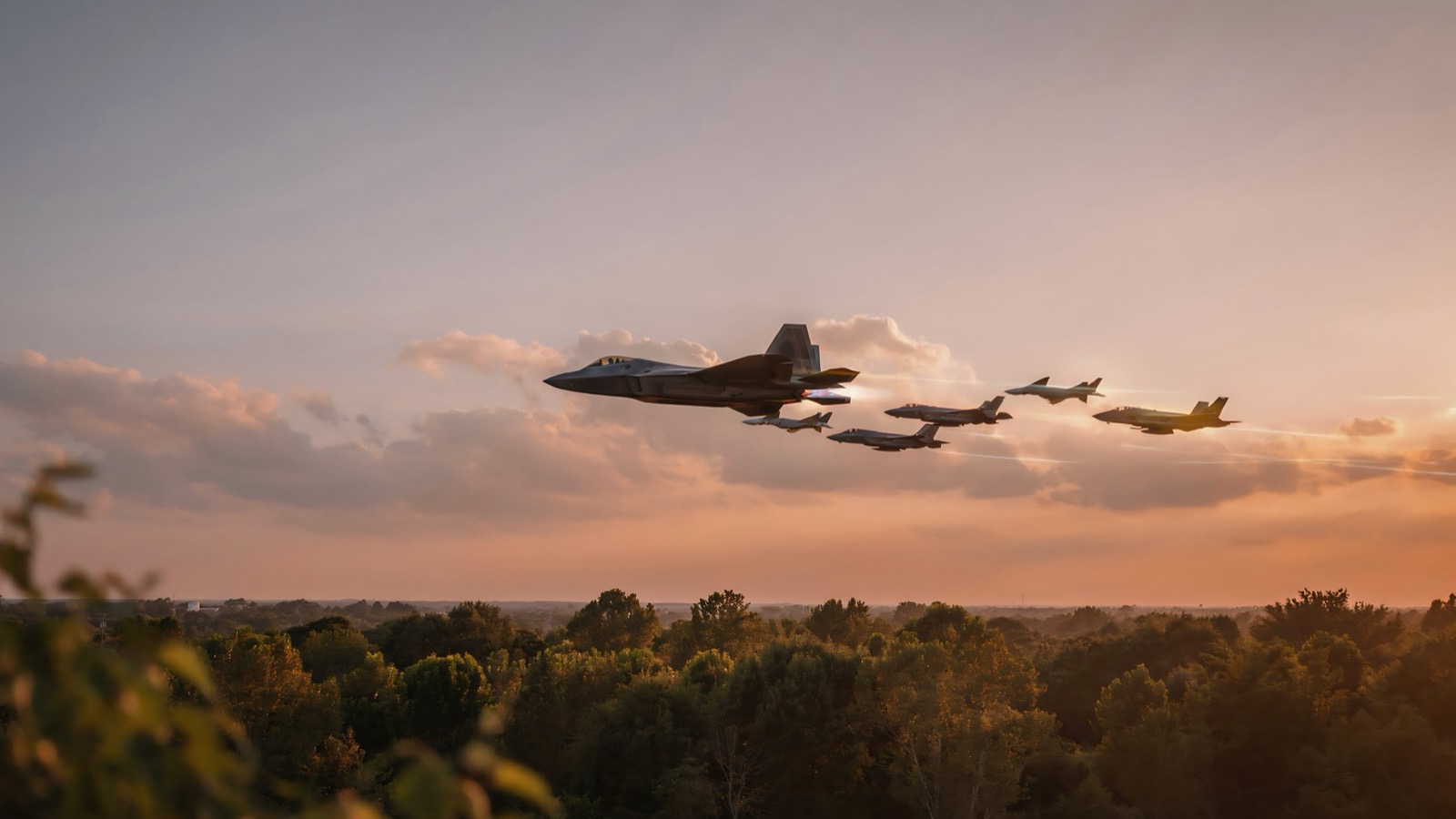
Fast jets in formation
Radar horizon
Ground-based air surveillance array
Sensor fit
Frigate mast carrying radar and communications
Mass
Rotary aircraft in numbers over a populated area
Open ocean
Uncrewed surface vessel on foils in open water
Deck operations
Uncrewed rotorcraft launched from a deck
Crewed air
Fast jets in formation
Radar horizon
Ground-based air surveillance array
Sensor fit
Frigate mast carrying radar and communications
Mass
Rotary aircraft in numbers over a populated area
Open ocean
Uncrewed surface vessel on foils in open water
Deck operations
Uncrewed rotorcraft launched from a deck
Crewed air
Fast jets in formation
Product · Holdfast
Sensor intelligence that fuses distributed tracks into one current picture across every node, and stays coherent when connectivity and positioning degrade.
01
Multi-source fusion
Holdfast fuses tracks from distributed sensors into one current picture of the operating environment. It keeps that picture when positioning degrades.
02
Distributed coordination
Holdfast decides at every node and stays coherent across the whole network. Each node keeps deciding on what it can still see inside the authority delegated to it.
03
Human authority
Holdfast turns operator intent into node-level assignment and a human retains release authority on every one. Olympus carries the sensing-only operator picture.
04
Available today
Olympus is live and issued per enterprise. Its contracts express sensing alone and every build checks that.
Holdfast · The Coordination layer
Sensor intelligence means the node reads a signature and reports a class with a confidence. Holdfast is built to take those reports and coordinate one protected site under human release authority.
RUNS ON WHAT IS THERE
Holdfast runs above the sensors an organization already owns. It reads what each one returns through the interface that sensor already exposes.
DECIDES AT THE NODE
Every node decides on what it can see without waiting for a central answer. Each track leaves with a class and a confidence and the digest of the model that produced it.
SOFTWARE-DEFINED
The detector and the classifier are software. A new class is answered with a release rather than a new installation.
SCALES BY NODE
A site carries many nodes that share a clock and reconcile what each one sees. Adding one widens the picture.
Holdfast · Key Numbers
Every figure below was measured on hardware in the loop. Holdfast runs on the sensors an organization already owns.
Decision latency
180 ms p95
Task allocation latency
95 ms p95
Replanning rate
10 Hz sustained
End-to-end latency
650 ms p95
Sustained track handling
5,000 tracks sustained
In our test environment · Hardware-in-the-loop · See full figures and workloads in the Holdfast announcement
Architecture
The dashed boundary is Holdfast. Inside it every node decides on what it can see and keeps one picture while a link is down. Everything under the boundary is hardware an organization already owns.
Coordinated mass
Many cheap aircraft inbound at once against one defender clock.
Holdfast node
The software that reads each sensor and decides on what it can see. It runs on the compute a site already carries.
Existing sensors
Radar and electro-optical and passive RF on the towers a force already stands.
Provenance on the track
A track leaves the node carrying its class and its confidence and the digest of the model that produced it.
Node mesh
Every node decides locally and the picture stays coherent when a link drops. Decision latency 180 ms p95 and allocation quality 94% at 25% packet loss.
Human release
A browser works the shared picture and a human releases every engagement.
Existing response systems
Commanded through the interfaces they already expose.
News
Guardal publishes its announcements here.